
Okay, can we just be real for a second? For the longest time, the phrase “meal prep” made me cringe. I pictured those perfectly aesthetic Instagram grids of identical chicken, broccoli, and rice in glass containers, and I just… couldn’t. I’m a busy mom, a freelance writer, and someone who gets bored of leftovers by Tuesday. The idea of spending my precious Sunday afternoon chopping veggies for a week of monotony felt like a punishment, not self-care. But then, last fall, I hit a wall. I was ordering takeout three times a week, my grocery budget was crying, and I was eating a sad granola bar for dinner more often than I’d like to admit. Something had to give.
So, I decided to stop trying to be a meal-prep influencer and start being a real person who just wants to eat well without losing her mind. And guess what? It worked. I found a version of weekly meal prep that actually fits my life—messy, imperfect, and full of shortcuts. Today, I want to share my honest, down-to-earth approach to batch cooking and healthy meal planning. No pressure, no perfection—just a way to make your week a little easier and your dinners a lot more delicious.
Why I Stopped Trying to Plan Every Single Meal
My first attempt at meal planning was a disaster. I sat down with a Pinterest board, a cute printable, and a dream. I planned breakfast, lunch, dinner, and two snacks for every single day. I bought every ingredient on my list. And by Wednesday? I was eating cold pizza from the work fridge because I forgot to pack my prepped quinoa salad. The problem wasn’t the planning—it was the rigidity. Life happens. Your kid gets sick, you get invited to a last-minute dinner, or you just really don’t feel like eating the same lentil soup you’ve had for three days.
Now, I use what I call the “loose framework” method. I plan just three dinners for the week, plus one “wild card” night (usually leftovers or a simple frozen meal). I also prep components, not full meals. For example, I’ll cook a big batch of quinoa, roast a tray of veggies, and grill a few chicken breasts. Then, during the week, I mix and match. That quinoa becomes a breakfast bowl with berries and nuts, a lunch salad with roasted veggies and feta, and a side for the chicken. It’s like having a wardrobe of basics that you can dress up or down. Suddenly, meal prep felt less like a chore and more like a creative challenge. And honestly, it saved my sanity.
Here’s a personal moment: Last Tuesday, I had a huge deadline and zero energy. Instead of ordering takeout, I grabbed some of that pre-cooked quinoa, threw in some canned black beans, avocado, and salsa, and had a five-minute burrito bowl. I literally sat at my desk eating it with a spoon, feeling like a genius. That’s the kind of win I live for.
My Top 3 Batch Cooking Strategies for Real Life
Batch cooking is the secret sauce, but you don’t have to spend four hours in the kitchen. I’ve narrowed it down to three strategies that give me the most bang for my buck—time-wise and energy-wise.
- The Double Dinner Trick: Whenever I make a dinner that freezes well (like chili, bolognese, or curry), I double the recipe. I serve one half that night and freeze the other half in a labeled container. Over a few weeks, I build a mini “freezer stash” that saves me on crazy nights. It’s like having a personal chef in my freezer, and it costs me zero extra effort.
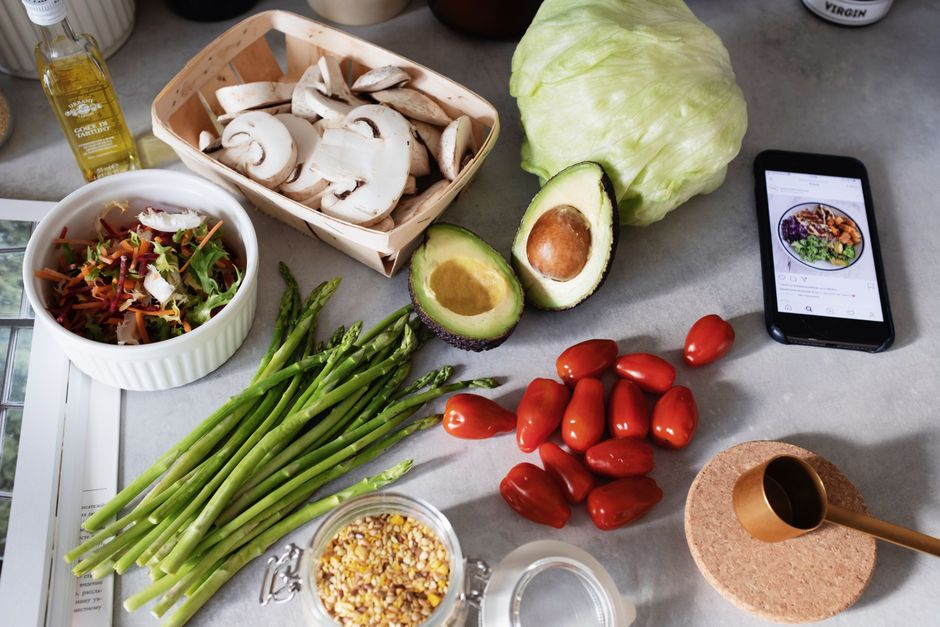
- The Sunday Roast-a-Thon: On Sunday afternoons, I turn on a podcast, pour a cup of tea, and roast two sheet pans of veggies—usually sweet potatoes, broccoli, bell peppers, and onions. I also cook a grain (quinoa, brown rice, or farro) and hard-boil six eggs. That’s it. Total active time: maybe 30 minutes. Then, all week, I have the building blocks for salads, grain bowls, quick stir-fries, and even breakfast scrambles.
- The “Cook Once, Eat Twice” Rule: I plan one meal that can be transformed. For example, on Monday I might make a big batch of roasted chicken and vegetables. On Tuesday, I shred the leftover chicken and toss it with BBQ sauce for a quick sandwich or wrap. On Wednesday, the leftover veggies go into a frittata. It’s like a choose-your-own-adventure, and it keeps me from getting bored.
One of my favorite relatable life moments? Last week, I had a friend over for coffee, and she saw my fridge full of labeled containers. She said, “Wow, you’re so organized.” I laughed and showed her the drawer full of mismatched lids and the half-eaten jar of pickles from three months ago. “This,” I said, “is the real fridge. The containers just make it look like I have my life together.” And that’s the truth. Batch cooking isn’t about being perfect—it’s about being prepared enough to give yourself a break.
Healthy Meal Planning Without the Guilt Trip
Let’s talk about the “healthy” part. I used to think healthy meal planning meant eating only kale and grilled fish. But honestly? That’s not sustainable for me. I need joy in my food. So I follow a simple rule: 80% nourishing, 20% fun. That means I always include one “fun” meal in my plan—like homemade pizza on Friday or a loaded nacho night. It keeps me from feeling deprived and actually helps me stick to the plan.
Another game-changer? I stopped labeling foods as “good” or “bad.” Instead, I think about what my body needs. On a busy day, that might be a hearty lentil soup. On a stressful day, it might be a bowl of pasta with a side of roasted veggies. I also keep emergency snacks prepped—like cut-up veggies with hummus, cheese sticks, and pre-portioned trail mix. That way, when the 3 p.m. slump hits, I have a healthy option ready to go, not just a vending machine candy bar.
Here’s a little secret: I don’t always stick to my plan. Sometimes, I wake up on Wednesday and want a giant salad when I planned for soup. And that’s okay. The plan is a guide, not a prison. The goal is to reduce decision fatigue, not add stress. If you’re new to meal prep, start small. Maybe just prep breakfasts for the week, or just plan your dinners. You don’t have to do it all. Progress, not perfection, is the name of the game.
I’ll never forget the night I sat down to a dinner I’d prepped on Sunday—a simple sheet pan salmon with asparagus and roasted potatoes. My toddler actually ate it without a fight. My husband said, “This is so good.” And I didn’t have to wash a single pan because the cleanup was already done. I sat there, fork in hand, feeling a wave of calm. That’s the real gift of meal prep: it gives you back time, energy, and peace of mind. And honestly, we could all use a little more of that.
So here’s my heartfelt takeaway: You don’t have to be a meal-prep guru to make it work. Start with one small change—maybe cooking a double batch of rice or roasting an extra tray of veggies. Let go of the perfect Instagram image and embrace the messy, real-life version. You deserve to eat well without burning out. And when you find your rhythm, you’ll wonder how you ever lived without it. 🤍