
Okay, let’s be real for a second. For the longest time, the phrase “weekly meal prep” made me feel equal parts exhausted and inadequate. I’d scroll through Instagram, seeing those perfectly stacked glass containers with rainbow-colored veggies and perfectly grilled chicken, and I’d think, “Who even has time for that? And where do they get those cute little labels?”
I’m not a superhuman. I’m a woman who works, has a social life, and sometimes just wants to eat a bowl of cereal for dinner without judgment. But last year, after a particularly chaotic week where I ordered takeout four nights in a row and spent way too much money on sad, soggy salads, I hit a wall. I knew I needed a change—not a perfect, Pinterest-worthy change, but a real, sustainable one. So I started experimenting with meal prep in the messiest, most imperfect way possible. And guess what? It actually worked.
Today, I want to share what I’ve learned about weekly meal prep, batch cooking, and healthy meal planning—not from a guru, but from a girl who’s just trying to feed herself without losing her mind. Grab your favorite mug of tea (or coffee, no judgment), and let’s get real.
Why I Stopped Trying to Be a Meal Prep Perfectionist
My first attempt at meal prep was a disaster. I spent a Sunday afternoon chopping every vegetable in my fridge, cooking three different proteins, and portioning everything into 12 identical containers. By Tuesday, I was sick of eating the same thing. By Wednesday, I was ordering pizza. And by Friday, I had a fridge full of sad, wilted leftovers that I felt guilty throwing away.
Here’s the thing I’ve learned: meal prep doesn’t have to mean eating the exact same meal every day. It’s not about being a robot. It’s about making your life easier, not harder. So I shifted my approach. Instead of prepping full meals, I started batch cooking *components*—things I can mix and match throughout the week.
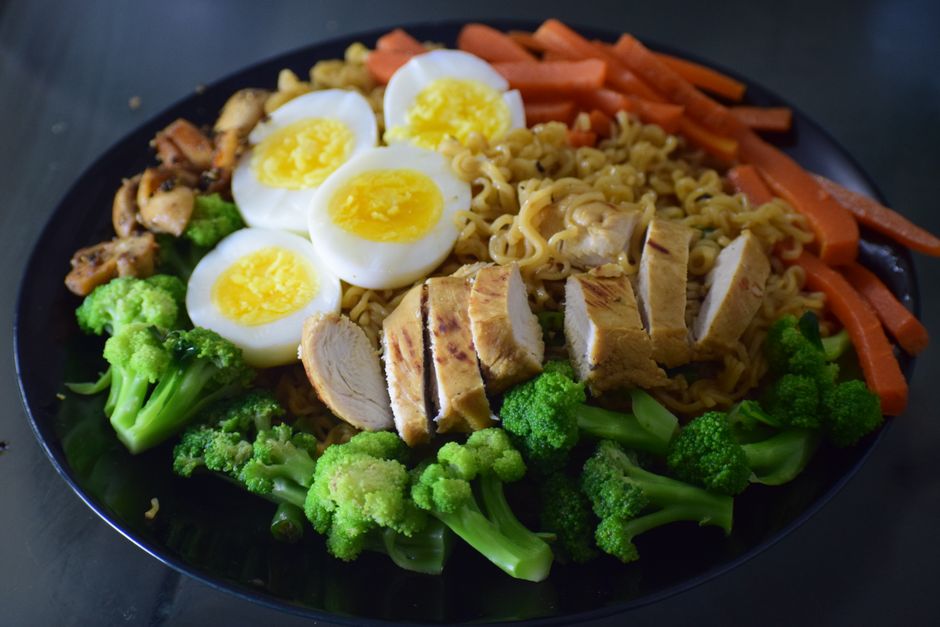
For example, I’ll cook a big batch of quinoa, roast a tray of veggies (like sweet potatoes, broccoli, and bell peppers), and grill some chicken thighs or tofu. Then, during the week, I can throw together a grain bowl with different sauces, toss the veggies into a salad, or even use the chicken in a wrap. It feels like variety without the chaos. And honestly? That’s a win in my book.
Here’s my current go-to list of batch-cook components:
- Grains: Quinoa, brown rice, or farro (they all reheat beautifully)
- Proteins: Grilled chicken, hard-boiled eggs, or canned chickpeas (drained and seasoned)
- Veggies: Roasted sweet potatoes, sautéed spinach, or raw crunchy carrots and cucumbers
- Sauces: A simple vinaigrette, a dollop of pesto, or a creamy tahini dressing
This system has been a game-changer. I don’t feel trapped by my prep, and I actually look forward to opening my fridge and seeing all those colorful containers waiting for me.
My Sunday Ritual (And the One Thing That Makes It Stick)
I’ll be honest: I’m not the type to spend four hours in the kitchen every Sunday. That’s just not realistic for me. So I’ve created a little ritual that takes about 60 to 90 minutes, and it’s become something I actually enjoy.
I put on a playlist—usually something upbeat but not too distracting, like 90s R&B or a chill indie mix. I pour myself a glass of water (or sometimes a mocktail, because why not?), and I get to work. I start by washing and chopping all my veggies while my grains cook. Then I throw everything into the oven or stovetop. While it’s cooking, I clean up as I go, which means I’m not left with a disaster zone afterward.
But here’s the one thing that makes it stick: I always prep something I’m genuinely excited to eat. If I force myself to make kale salads when I hate kale, I’ll abandon the whole plan by Tuesday. So I lean into what I love. Right now, I’m obsessed with roasted chickpeas with smoked paprika and a big batch of lemony lentil soup. It’s comfort food that’s actually good for me.
One Sunday, I had a total fail moment. I accidentally burned the sweet potatoes (like, charcoal-level burned). I stood there, staring at the smoke detector, and almost cried. But you know what? I laughed it off, scraped the burnt bits into the trash, and roasted a new batch. It took an extra 30 minutes, but it was worth it. Because the goal isn’t perfection—it’s showing up for yourself, even when it’s messy.
How to Plan Without Overwhelming Yourself
Meal planning can feel like a second job if you let it. I’ve tried apps, spreadsheets, and even a bullet journal for meal planning, but honestly? I’ve found the simplest method works best for me. I keep a small whiteboard on my fridge. Every Saturday, I write down three dinners I want to make for the week, plus one “wild card” night for leftovers or eating out. That’s it. No elaborate charts, no color-coding.
For example, this week my whiteboard says: Monday: Sheet pan salmon and asparagus. Wednesday: Lentil soup with crusty bread. Friday: DIY taco night with all the fixings. That’s enough structure to keep me from panicking at 5 PM, but flexible enough to swap nights if something comes up.
I also make sure to include a few “no-cook” meals in my plan, like a big Greek salad with feta and olives, or a simple avocado toast with a side of fruit. Because some days, you just don’t want to turn on the stove. And that’s okay.
Here are a few tips that have saved my sanity:
- Shop with a list: I write down exactly what I need for my three meals and my batch-cook components. It keeps me from buying random stuff I won’t use.
- Use what you have: Before I shop, I check my pantry and fridge. That half-used jar of salsa? Perfect for taco night. Those wilting carrots? Roast them with honey and thyme.
- Double up when you cook: If I’m making a pot of chili, I make a double batch and freeze half. Future me is always grateful.
And here’s a little secret: I don’t always stick to my plan. Some weeks, I get home from work and just want a bowl of cereal. And that’s fine. The plan is a guide, not a prison. The whole point is to make life easier, not to add more pressure.
So if you’re reading this and feeling like meal prep is out of reach, I want you to know: you don’t have to be perfect. Start small. Cook one extra portion of dinner tonight and call it lunch tomorrow. Roast a tray of veggies while you’re already in the kitchen. That’s it. That’s enough.
I’ve learned that healthy meal planning isn’t about being a superhero. It’s about being kind to your future self—the version of you who comes home tired, hungry, and just needs something good to eat. And honestly? That version of you deserves a little love. So go ahead, give it a try. Even if it’s messy. Even if you burn the sweet potatoes. You’re doing great, friend.
🤍